GRAPHISOFT Archicad 2026 (Build 5001) — A Cutting-Edge BIM Solution for the AEC Industry
GRAPHISOFT Archicad 2026 (Build 5001) is the latest release of one of the world’s leading BIM (Building Information Modeling) platforms. Designed for architects, designers, and building professionals, Archicad delivers a seamlessly integrated design environment where creativity meets computational intelligence. The 2026 version strengthens Archicad’s role as a comprehensive BIM tool with performance enhancements, improved collaboration workflows, and advanced modeling capabilities — all tailored for modern architectural and interdisciplinary projects.

What Is GRAPHISOFT Archicad?
Archicad is an advanced BIM software developed by GRAPHISOFT, originally introduced in the 1980s and credited as one of the first BIM solutions on the market. Unlike traditional CAD tools, Archicad works with intelligent building models instead of simple 2D drawings. Every element — from walls and windows to structural components and HVAC systems — is a smart object that carries data useful for design, analysis, documentation, and construction management.
With Archicad 2026 (Build 5001), GRAPHISOFT continues to deliver a platform built around performance, creativity, interoperability, and collaboration.

Key Features of Archicad 2026
1. Intelligent BIM Modeling
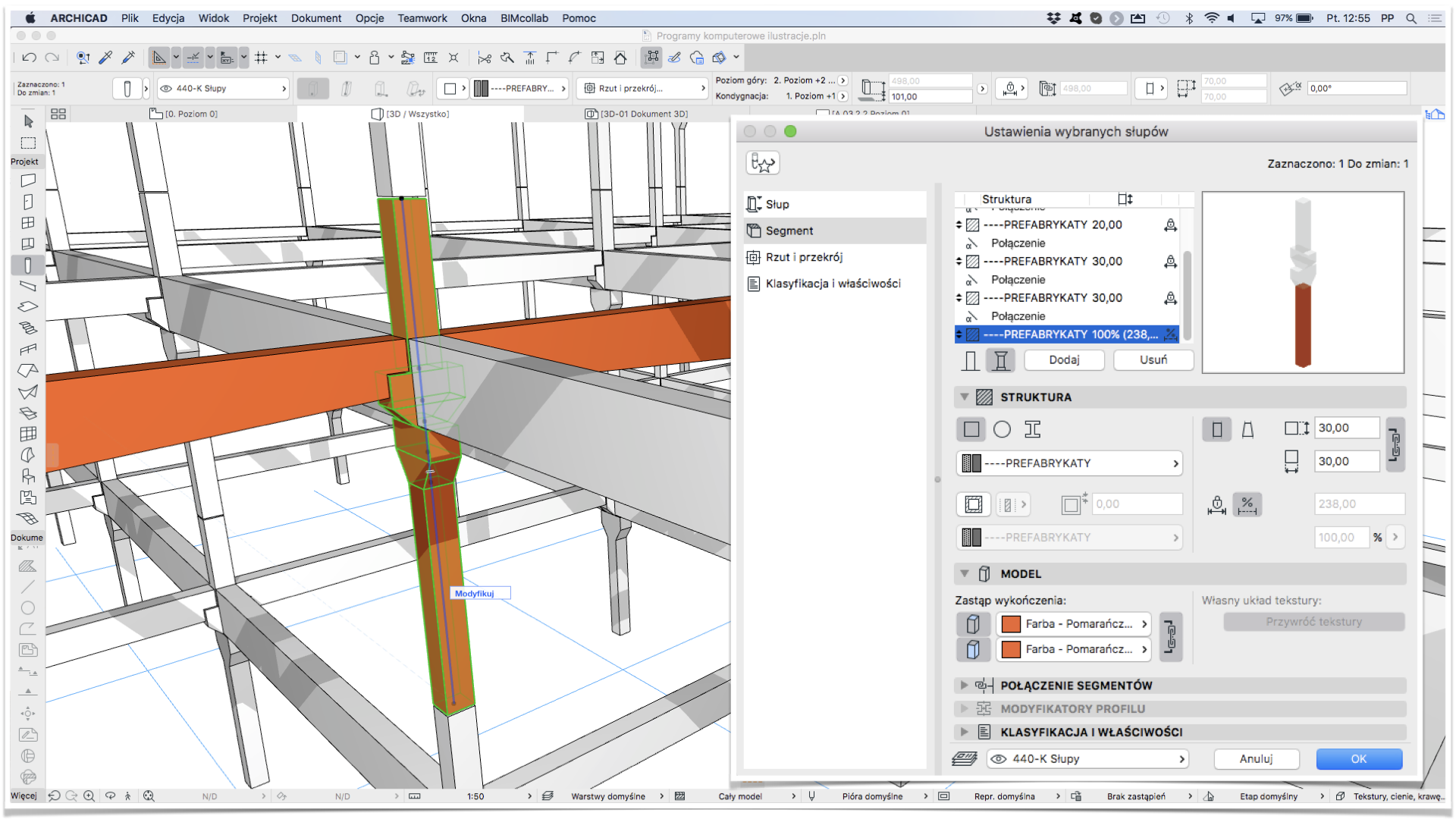
The heart of Archicad 2026 is its robust BIM engine. Users can create highly detailed architectural models complete with parametric elements that reflect real-world properties. This intelligent modeling ensures that any change in the model automatically updates related views, schedules, documentation, and quantities — making design iterations faster and more accurate.
2. Enhanced Performance and Stability
Archicad 2026 brings notable performance improvements, especially when working on large and complex projects:
-
Faster model loading and navigation
-
Smoother 3D performance
-
Improved response times for views and changes
These optimizations allow teams to handle demanding architectural and multidisciplinary models with greater efficiency.
3. Advanced Documentation Tools
Documentation workflows in Archicad remain highly productive. The software generates detailed:
-
Floor plans
-
Elevations
-
Sections
-
Schedules and reports
-
Detail drawings
What sets Archicad apart is the automatic coordination between model and documentation — when the model changes, all associated documents update instantly, reducing errors and saving time.
4. Real-Time Collaboration
Archicad 2026 supports real-time collaboration through its integrated platform, enabling multiple users to work simultaneously on a single BIM model. Enhanced teamwork features include:
-
Role-based access control
-
Efficient change tracking
-
Conflict resolution tools
Cloud-based teamwork workflows allow architects, engineers, and consultants to collaborate efficiently from different locations.
5. Open BIM and Interoperability
GRAPHISOFT places strong emphasis on Open BIM standards. Archicad supports open data formats like IFC (Industry Foundation Classes), ensuring seamless data exchange across different software platforms. This interoperability improves coordination with structural and MEP disciplines, visualization tools, and analysis applications — leading to more integrated project workflows.
6. Parametric Design Tools
Archicad’s parametric design capabilities allow users to create complex geometries, custom components, and flexible design elements. Designers can craft organic shapes, explore form variations, and integrate performance constraints directly into their models.
7. Visualization and Rendering
Naturally, visualization is a core part of any architectural design process. Archicad 2026 includes powerful rendering tools that allow users to produce photorealistic images from within the software. With improved material libraries, lighting engines, and rendering controls, architects can effectively communicate design intent to clients and stakeholders.
What’s New in Archicad 2026 (Build 5001)?
The 2026 release focuses on enhancing productivity, collaboration, and performance. Key updates include:
-
Optimized model performance — especially for large architectural projects
-
Improved teamwork workflows — more real-time feedback and change management
-
Enhanced interoperability — better support for IFC and other industry standards
-
Streamlined documentation tools — improved annotation and scheduling
-
Advanced parametric elements — more flexibility for custom components
These enhancements make Archicad 2026 both easier to use and more powerful for complex design challenges.
Benefits of Using Archicad 2026
Accurate and Intelligent Design
With its BIM engine, Archicad minimizes errors by coordinating model content with associated documentation and data. This improves accuracy from early design through construction documentation.
Improved Collaboration
Built-in teamwork features facilitate real-time collaboration across disciplines and locations, supporting both small studios and large project teams.
Open Standards and Flexibility
Strong Open BIM support allows for seamless data exchange, enabling coordination with structural, MEP, analysis, and visualization tools. This open approach breaks down technology silos and fosters interdisciplinary teamwork.
Performance and Productivity
Enhanced performance in Archicad 2026 allows users to navigate and update large models quickly — reducing wasted time waiting for updates and enabling faster iteration cycles.
Who Should Use Archicad 2026?
Archicad 2026 is ideal for a wide range of professionals in the AEC industry:
-
Architects and architectural firms — for conceptual design through construction documentation
-
Design studios — who require flexible modeling and bespoke design tools
-
BIM managers and coordinators — for multidisciplinary coordination and data management
-
Construction professionals — who rely on accurate documentation, scheduling, and quantity take-offs
-
Interdisciplinary teams — working across architecture, structure, and building services disciplines
Whether working on residential buildings, commercial towers, educational facilities, or infrastructure projects, Archicad provides a comprehensive BIM ecosystem.
Archicad vs Traditional CAD
Unlike traditional CAD systems that rely on 2D drafting entities, Archicad works with intelligent 3D models that contain embedded data. In CAD, changes often require manual updates across multiple drawings. In Archicad, any change in the model propagates automatically throughout plans, sections, elevations, and schedules — saving time and reducing errors.
System Requirements (Typical)
To run Archicad 2026 effectively:
-
Operating System: Windows 10/11 or macOS (latest versions supported)
-
Processor: Multi-core CPU with high clock speed
-
RAM: Minimum 8 GB (16 GB or more recommended)
-
Graphics: Dedicated GPU for 3D modeling and visualization
-
Storage: SSD recommended for improved performance
For large and complex models, higher specifications are recommended to ensure smooth performance.
Learning Curve & Training
Archicad is designed to be accessible to both beginners and experienced BIM professionals. While some architectural software may require specialized training, Archicad’s intuitive interface and visual modeling tools help shorten the learning curve. GRAPHISOFT and many BIM training providers offer tutorials, certification programs, and support resources to help users master the software.
Archicad in the Future of Building Design
As the AEC industry continues adopting digital transformation, BIM has become essential — not optional. Governments, institutions, and industry standards increasingly require BIM for public and private projects worldwide. Archicad plays a significant role in enabling this shift toward digital workflows by:
-
Supporting Open BIM and data interoperability
-
Enabling collaborative design and project delivery
-
Reducing errors and rework
-
Enhancing communication through data-rich models
Archicad 2026 aligns with emerging trends such as digital twins, cloud collaboration, and data-driven facility management — moving BIM beyond design into the lifecycle of buildings.
Conclusion
GRAPHISOFT Archicad 2026 (Build 5001) represents a significant step forward in BIM software technology. With powerful modeling tools, improved performance, collaborative features, and strong interoperability, it meets the needs of modern architects, BIM coordinators, and project teams.
By empowering design excellence, enhancing team collaboration, and supporting intelligent, data-driven workflows, Archicad 2026 remains a top choice for professionals seeking a comprehensive and future-ready BIM solution. In an industry increasingly governed by digital standards, Archicad’s continued development ensures that designers can focus on creativity, efficiency, and collaboration at every stage of the building process.
GRAPHISOFT Archicad 2026 (Build 5001)